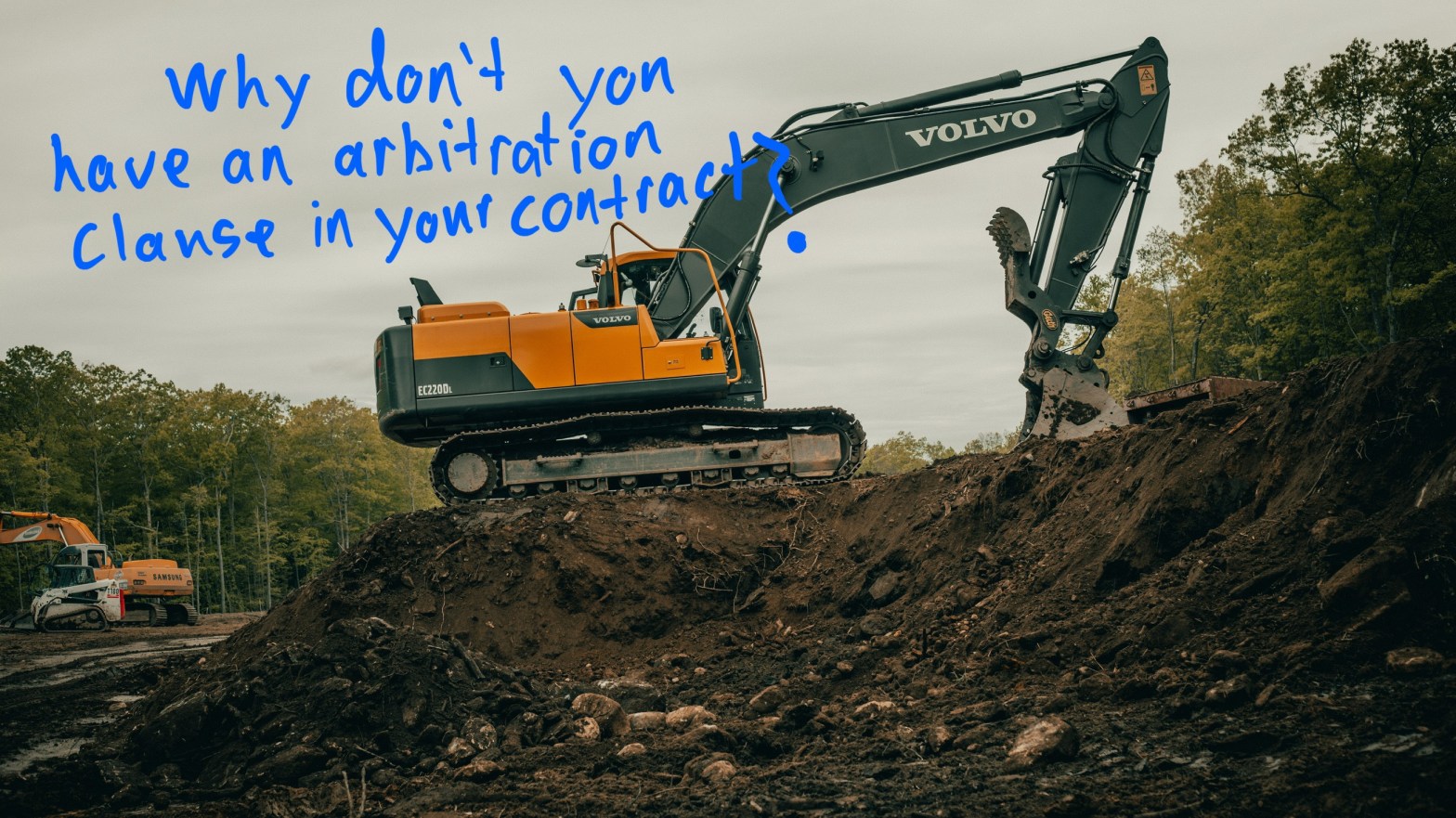
Arbitration: A Game-Changer for Florida Contractors and Construction Suppliers

In the complex realm of construction projects, conflicts and disputes can be a major stumbling block that hampers progress, strains relationships, and drains financial resources. To overcome these challenges when they arise, contractors and suppliers should seriously consider incorporating an arbitration clause in their contracts. This article explores just a few of the advantages of using an arbitration clause, highlighting how these clauses can yield better results than traditional litigation:

  1. Swift and Streamlined Resolutions:
    Arbitration provides a faster and more streamlined alternative to the often lengthy and cumbersome traditional litigation. By including an arbitration clause, you ensure that any disputes that may arise during the construction project will be resolved through arbitration, allowing for streamlined resolutions. This saves valuable time and resources that would otherwise be tied up in protracted court battles.
  2. Industry Expertise and Impartiality:
    Arbitration empowers parties to choose arbitrators who have specialized knowledge and expertise in the construction field. These arbitrators understand the intricacies of the industry in a way that comes with experience. In contrast, litigation places the decision-making power in the hands of judges, who are generalists, and may not possess familiarity with the industry. By having construction experts as arbitrators, you can expect better decisions and outcomes tailored to the unique demands of construction projects.
  3. Confidentiality and Privacy:
    Arbitration offers a higher level of confidentiality and privacy compared to public court proceedings, where virtually everything is available online in Florida. By including an arbitration clause, you can safeguard sensitive business information, trade secrets, and proprietary processes from the public court records. This is particularly vital in the competitive construction industry, where confidential information can aid competitors and customers in negotiations.
  4. Cost-Effectiveness:
    Litigation can be a financial burden, involving substantial legal fees, court costs, and potential damages. Because it is quicker and more streamlined, arbitration is generally more cost-effective. The process allows for an expedited resolution which minimizes legal expenses, resulting in significant cost savings for contractors and suppliers. Furthermore, arbitration often eliminates the need for extensive document production and discovery, reducing overall expenses even further.
  5. Flexibility and Customization:
    Arbitration allows parties to tailor the process and procedures to their specific needs, providing greater flexibility compared to court litigation. Contractors and suppliers can select the most suitable rules, determine the arbitration location, and set a timeline for resolution. This flexibility enables parties to expedite decision-making, resolve disputes more efficiently, and maintain healthier working relationships.

For construction contractors and suppliers in Florida, incorporating an arbitration clause in their construction contracts brings numerous advantages. By negotiating for this advantage at the outset of the project, contractors and suppliers can navigate potential disputes more efficiently, ensuring a smoother and less expensive resolution.

DISCLAIMER: The information provided on this website does not, and is not intended to, constitute legal advice; instead, all information, content, and materials available on this site are for general informational purposes only.

Contractual Betrayal: How Verbal Agreements Led to Legal Defeat

Chapter 1: A Verbal Understanding
In the midst of a bustling city, Jack Reynolds, an experienced subcontractor, eagerly embarked on a new venture. With a contract in hand for a significant commercial project, he was ready to demonstrate his skills and competence. Unfortunately, the complexities of contract management would soon test Jack’s trust in the system.

Chapter 2: Uncharted Territory
As the project progressed, unforeseen circumstances and the general contractor’s requests led to additional work beyond the original scope. Eager to accommodate the general contractor and maintain a positive working relationship, Jack proceeded with the extra work based on verbal agreements. The general contractor expressed satisfaction and assured Jack that he would be compensated accordingly. Fueled by trust and a shared understanding, Jack continued to invest his time and expertise into the additional work.

Chapter 3: A Legal Predicament
Upon completion of the project, Jack submitted his invoice for the additional work performed, only to be met with resistance from the general contractor. The general contractor contended that the contract explicitly stated that all change orders must be approved in writing, rendering the verbal agreements invalid. Jack’s trust was shattered, and his hopes of fair compensation dashed. With collection options dwindling, Jack faced the grim reality that he may not recover the amount owed to him.

Chapter 4: The Lawsuit and Its Outcome
Determined to pursue justice, Jack initiated legal proceedings against the owner, armed with evidence of the verbal agreements. However, the court carefully examined the contract and, to Jack’s dismay, ruled in favor of the general contractor. The court emphasized that the contract’s requirement for written change orders were mandatory, rendering the verbal agreements unenforceable. Jack’s hopes for recovery were crushed, and he found himself grappling with the aftermath of a failed lawsuit.

Chapter 5: A Painful Reflection
In the wake of the legal defeat, Jack reflected on the unfair events which transpired. He acknowledged his mistake in failing to adhere to the contract’s provisions, realizing the dire consequences of relying on verbal agreements. The painful lesson taught Jack the importance of documenting change orders in approved, written agreements, when required by the contract.

Chapter 6: A Resilient Recovery
Undeterred by the setback, Jack resolved to learn from his mistakes and keep moving forward. He sought counsel from industry experts to enhance his understanding of contract management and to minimize future risks. Armed with newfound knowledge, Jack reevaluated his business practices, adopting a more disciplined approach to contract execution and change order management.

The Lesson:

Always get change orders signed and approved in writing, especially when it is required by the contract. While there is always a desire to please your customer, contractors must stand on their rights to ensure they are fully and promptly paid for their work. If you have questions about your contract, seek good counsel.

DISCLAIMER: The information provided on this website does not, and is not intended to, constitute legal advice; instead, all information, content, and materials available on this site are for general informational purposes only.
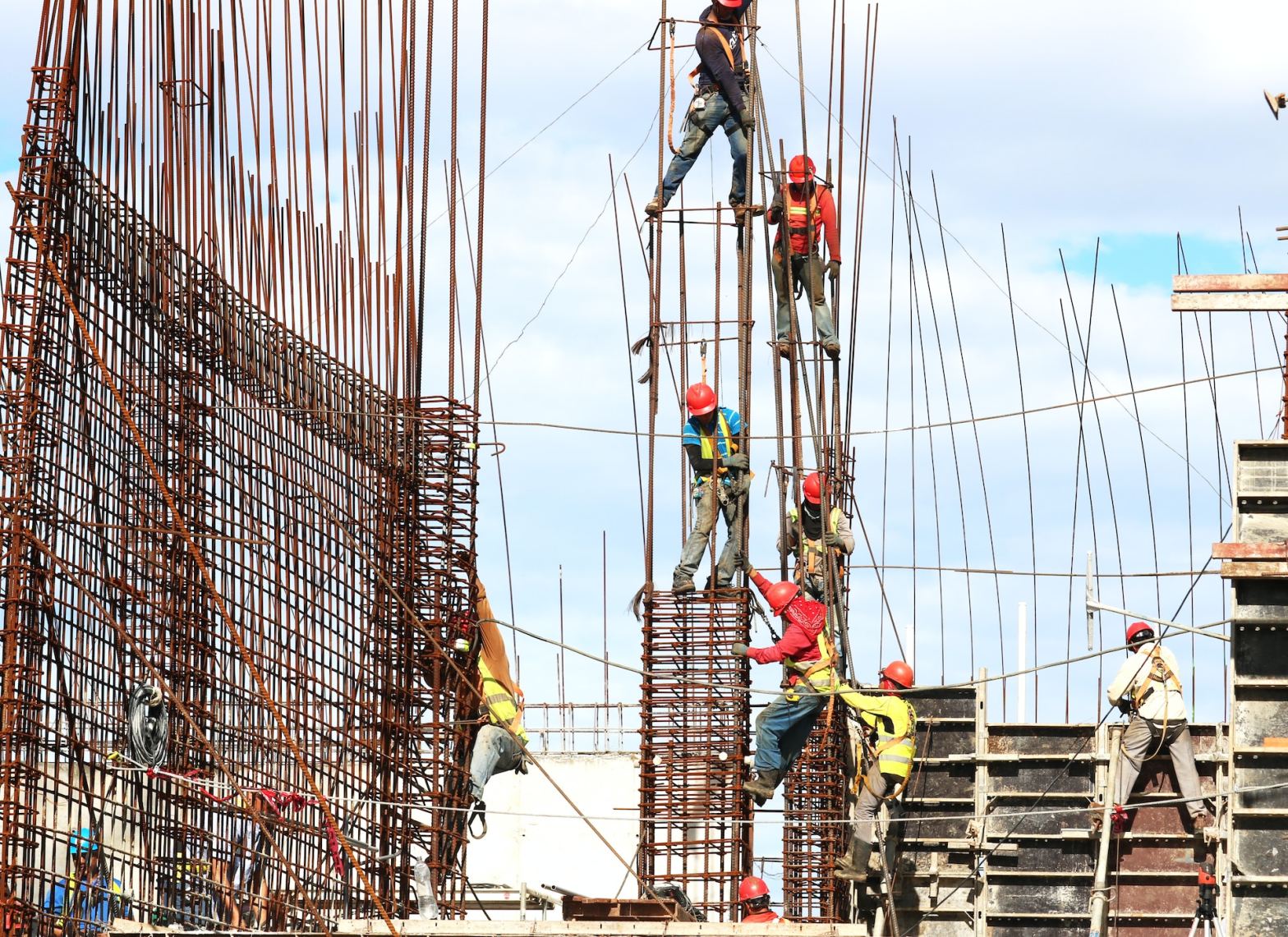
Unpaid Invoices: A Contractor’s Primer for Legal Action

In the world of construction, unpaid invoices can pose significant challenges for contractors. When all attempts to collect payment have failed, legal action may be unavoidable. In Florida, this often entails recording a construction lien and filing a lawsuit. This article discusses the general process and expenses, from recording the lien to obtaining a final judgment in court.

Recording the Construction Lien:

A crucial initial step for contractors seeking to secure unpaid debts is to record a construction lien, also known as a mechanics lien. This legal claim is placed on the property, alerting interested parties to the unpaid debt. However, before recording the lien, contractors must ensure they meet specific requirements under Florida law. These may include issuing a Notice to Owner (NTO), adhering to filing deadlines, and following other procedural requirements.

Once the prerequisites are met, the contractor can proceed with filing a Claim of Lien in the county where the property is located. This document serves as a public notice, encumbering the property and notifying potential buyers, lenders, and others with a vested interest about the outstanding debt.

Filing a Lawsuit: The Litigation Process:

Recording a construction lien is an effective strategy to protect a contractor’s rights, but it does not guarantee immediate payment. To enforce the lien and recover the owed amount, the contractor usually must file a lawsuit in court.

The litigation process typically comprises several stages, including claim filing, discovery, motion practice, and trial:

  1. Claim Filing: The contractor drafts a complaint that outlines the details of the dispute, the amount owed, and the legal basis for the claim. Once the complaint is filed with the court, it is served to the defendant, formally initiating the litigation process.
  2. Discovery: This phase allows both parties to gather and exchange information and evidence relevant to the case. Discovery methods may include document requests, depositions, interrogatories, and requests for admissions. Contractors may engage experts, such as engineers or appraisers, to provide professional opinions on matters crucial to the dispute.
  3. Motion Practice: Throughout the litigation process, various motions may be filed by both parties to resolve procedural or substantive issues. Common motions include motions to dismiss, motions for summary judgment, and motions to compel discovery. These motions are heard and decided by the court, and they play a vital role in shaping the direction and outcome of the case.
  4. Trial: If the dispute remains unresolved after the pre-trial stages, the case proceeds to trial. During the trial, both parties present their arguments, evidence, and witness testimonies before a judge or jury. The judge or jury evaluates the evidence and renders a final judgment.

Expenses Involved:

Pursuing legal action through construction liens and lawsuits in Florida creates a variety of expenses. The costs can vary depending on the complexity of the case and the attorney you select. Here are some common expenses contractors may encounter:

  1. Legal Fees: Hiring an experienced construction attorney is essential to navigate the complex legal procedures involved. Attorneys typically charge an hourly rate or a flat fee. Legal fees may range between $200 and $600 per hour, and the number of hours depends on how long it takes to resolve the case.
  2. Court Fees: Filing a lawsuit requires payment of court filing fees, which vary depending on the county and the amount in dispute. Usually, court filing fees range between $300 and $500 per lawsuit.
  3. Expert Witness Fees: In complex construction cases, expert witnesses may be necessary to provide professional opinions on matters such as the quality of work or project cost estimates. Experts usually charge between $200 and $400 per hour, and perform between 20 and 100 hours of work.

DISCLAIMER: The information provided on this website does not, and is not intended to, constitute legal advice; instead, all information, content, and materials available on this site are for general informational purposes only.

5 Steps for Preventing and Responding to Falls in Roofing

As a roofing contractor, protecting your workers is a top priority. One of the most significant risks in roofing is the potential for falls, which can lead to severe injuries and fatalities. Implementing preventive measures not only protects your workers but also helps safeguard your business from legal and financial consequences. This post discusses five essential steps that roofing contractors can take to prevent and respond to falls.

  1. Comprehensive Training and Education:

Proper training is key to preventing falls. Ensure that all workers receive comprehensive safety training specific to roofing tasks. This should include initial and periodic training on fall protection systems, safe ladder use, and proper techniques for working on sloped surfaces. Regularly update these programs to keep up with the latest safety regulations and industry best practices. Be sure to document all of the training, including who was trained, and when and where it occured.

  1. Effective Fall Protection Systems:

Implementing effective fall protection is crucial for worker safety. Conduct a thorough review of each worksite to determine the most suitable fall protection measures. This may include guardrails, safety nets, personal fall arrest systems (PFAS), or a combination of these methods. Regularly inspect and maintain all fall protection equipment to ensure its functional and being used. Document these inspections, and maintain records of inspections for as long as possible.

  1. Enforce Proper Equipment Usage:

Providing workers with fall protection is the first step, but ensuring they use it is equally important. Regularly inspect and maintain all safety equipment. Train workers on the correct usage and inspection procedures for this equipment. Reinforce the importance of using fall protection by penalizing workers who do not use fall protection properly, and by incentivizing workers who comply with safety procedures.

  1. Ongoing Safety Communication and Supervision:

Establish clear communication regarding safety methods and expectations. Regularly communicate with workers about potential hazards, safe work practices, and any updates to safety policies. Encourage an open dialogue where workers can report concerns or suggest improvements. Effective communication and supervision creates a culture within your organization which will minimizing the chances of accidents and falls.

  1. Legal Protection and Documentation:

While prevention is crucial, it’s also vital to have legal protection measures in place should a fall occur. To protect your business, consider the following steps:

a. Adequate Insurance Coverage: Maintain comprehensive liability insurance coverage that includes workers’ compensation. Review and update your policy regularly to ensure it adequately protects your business.

b. Document Training and Enforcement Practices: Ensure that all safety training, supervision, and inspection activities are documented in writing. This type of documentation will be crucial in showing OSHA that the fall was not preventable and did not result from employer negligence.

c. Incident Reporting: Establish an incident reporting process. In the event of a fall, document the details thoroughly, including date, time, location, and any contributing factors. Make sure properly trained managers visit the site quickly to respond to the incident.

d. Legal Consultation: Consult with legal professionals experienced in construction safety and OSHA’s regulations to seek guidance on how to respond to the incident and OSHA’s investigation.

Preventing worker falls in the roofing industry requires a proactive approach to safety. While not all falls can be prevented, ensuring that your company prepares will help reduce worker injuries and help the company respond to incidents when they do occur.

DISCLAIMER: The information provided on this website does not, and is not intended to, constitute legal advice; instead, all information, content, and materials available on this site are for general informational purposes only.

Construction Management Tips that Will Actually Get You Paid

As a contractor, getting paid on time is crucial for your business to thrive. Therefore, it is crucial to abide by construction management practices that help ensure you receive the payment you deserve. By following these strategies, you can minimize payment issues and secure your hard-earned money.

1. Get Change Orders in Writing: Change orders are virtually unavoidable on most projects. To avoid payment headaches, always get change orders approved in writing before performing extra work. Make sure to document any changes to the original contract, including costs, schedule, and scope changes, and get written approval from the client. Having written records of approved change orders keeps everyone on the same page and prevents payment disputes down the road. When you can show that changes were agreed upon, you have a better chance of getting paid for the extra work you’ve done.

2. Negotiate for Protection: When you’re negotiating contracts, don’t forget to look out for yourself. Include protective provisions that can help you if payment problems arise. Consider including a “stop work” clause, which allows you to pause the project if payment issues crop up, giving you leverage to resolve the situation. Also, negotiate fair payment terms with clear milestones and due dates. By setting expectations upfront, you reduce the risk of payment delays or disagreements. Consult with professionals who know construction law to ensure your contract provisions are fair, enforceable, and give you the protection you need.

3. Keep Track and Communicate: Good documentation is essential to prove your work and get paid. Keep accurate records of your daily activities, progress reports, and even take photos to support your claims. Submit invoices promptly, ensuring they are clear, itemized, and match the agreed payment schedule. Late or confusing invoices can lead to payment delays or misunderstandings. Regularly communicate with the project owner or client, addressing any payment concerns or questions as they occur. By staying on top of payment matters and maintaining open communication, you increase the chances of getting paid.

Getting paid as a contractor is crucial for your business’s success. By following these construction management practices, you’ll be better positioned to receive timely payment. Remember to seek professional advice when needed to review your contracts and ensure compliance with construction laws. Doing so will help minimize payment disputes, keep your cash flow healthy, and build a thriving construction business.

DISCLAIMER: The information provided on this website does not, and is not intended to, constitute legal advice; instead, all information, content, and materials available on this site are for general informational purposes only.