
Hiring a Licensee to Qualify Your Construction Company

For many businesses seeking to enter the Florida construction industry, it often makes more sense to hire a qualifying license holder, rather than apply for a new license.

It can be a great option to save time and avoid the pain of sitting for another licensing exam. This is especially true given Florida is a “protectionist” construction licensing state, and does not offer reciprocity for out of state licenses holders.

However, before hiring a license holder, there are few considerations to be aware of:

1) The qualifier must be a W2 employee or partial owner of the businesses

Florida’s Construction Industry Licensing Board (CILB) requires that all qualifying license holders be either a legitimate W2 employee or partial owner of the company. That means that the license holder must be an employee or own 20% or more of the business. Also, it is a good idea to submit proof of this status with the initial application.

2) There should be a “qualifier agreement” covering various aspects of the relationship.  

While not mandatory, it is a good idea for the construction businesses to enter into a qualifier agreement with the person who will hold the license for the company. This is similar to an employment agreement, but sets out specific duties and rights relating to the qualification of the business, such as:

  • Compensation. The qualifier agreement should specify how much the qualifier will be paid, and any applicable terms relating to compensation. For example: the number of hours that must be contributed to the business, when compensation will be paid, and how much.
  • Termination. The agreement should specify the reasons the qualifier can be terminated and what happens when they are. For example, if the license holder is the only qualifier for the business, it may be necessary to have them stay on in the short term so the business does not lose its license in the middle of operations.
  • Moonlighting. Depending on the relationship with your qualifier, you may not want them moonlighting on the side. The business will especially not want them to open any projects or pull any permits for side jobs in the business’s name. Therefore, it is important to specify terms relating to moonlighting in the qualifier agreement.
  • Oversight. As the company’s license holder who is responsible for overseeing construction, you will also want to specify the qualifier’s duties as they relate to oversight of projects. The agreement should specify what the qualifier must do in order to oversee the company’s projects and how much they will be paid for this service, if applicable.

3) It will still take time to apply to “attach” the license to the company

Hiring a qualifier is a way to skip the licensing exam in Florida, but it will not guarantee you can skip the long line of applications pending before the CILB. The qualifier must still apply with the CILB in order to qualify the company with their license.

Due to the short staff at Florida’s licensing agency, it can take 2-3 months or more for the application to be processed. Any errors in the application – even simple typos – can cause the CILB to reject the application and make this process even longer.

Therefore, it is recommended to take special care when submitting an application, and seek professional help if you are not familiar with this process.

4) Look for a license holder who is qualifying no more than one other company

The CILB is extremely wary of licensees who attempt to rent out their license to more companies than they can realistically supervise. Therefore, it is important to look for a license holder who is qualifying no more than one other company.

Applications to qualify a third (or more) business will result in a mandatory board appearance before the CILB where the license holder will have to explain their plan to the board. Not only can this slow down the licensing process, but it runs the risk of the CILB rejecting the application out right and having to start over at square one.

The best bet is to find a license holder who is qualifying no more than one other business with their license.

4) Conduct a Background Check on a License Holder Before Entering a Relationship

Many license holders who are willing to rent out their license are not the type of individuals that your business wants to build a long term relationship with. Doing so may result in trouble in the long term, but also during the application process.

Before hiring a qualifier, order a thorough background report, as the CILB will conduct its own background check during the application process which might uncover issues. Look at the qualifier’s license complaints, criminal history, and credit reports. While not every issue will be disqualifying, these should still cause a concern.

It is important to conduct this process early to avoid going through a long and expensive application process, which might result in rejection due to an issue that you could have discovered earlier on.

Conclusion

Hiring a license holder to qualify your business can be a great alternative to obtaining a new construction license in Florida. However, if choosing to do so, it is important to conduct your due diligence, follow necessary precautions, and ensure you are complying with Florida’s licensing regulations. If you are unfamiliar with this process, it is advisable to seek professional help.

DISCLAIMER: The information provided on this website does not, and is not intended to, constitute legal advice; instead, all information, content, and materials available on this site are for general informational purposes only.
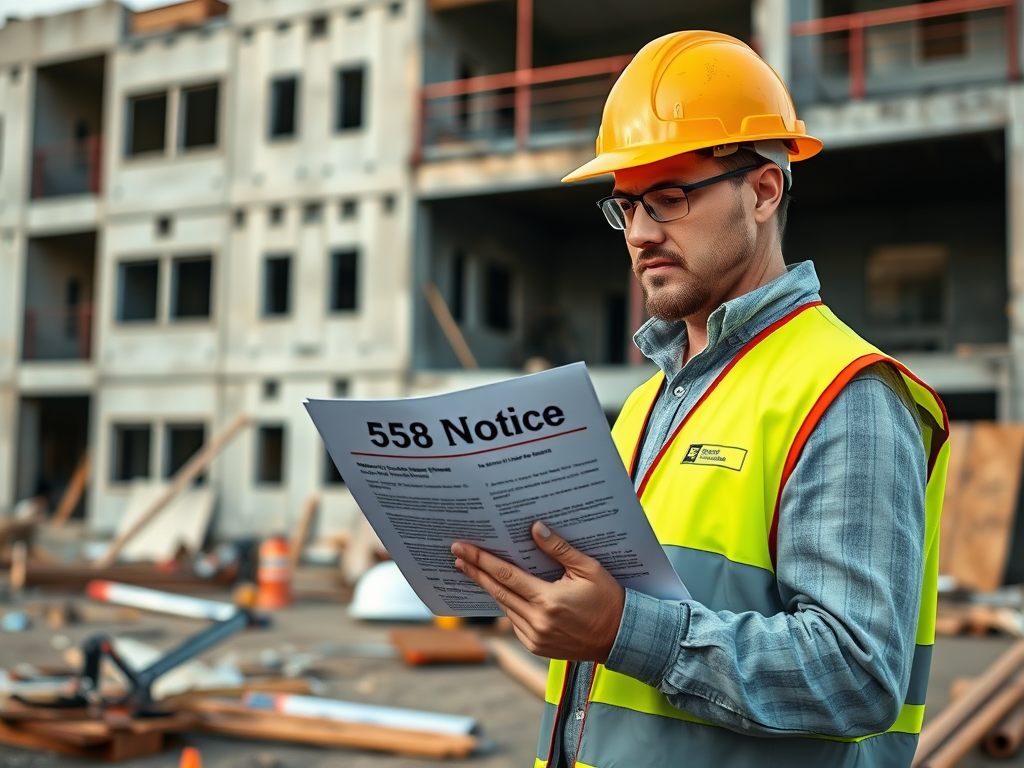
How to Respond to a Chapter 558 Construction Defect Notice

If you have been doing construction in Florida for a while, you have probably received a “558 Notice.” If you haven’t, consider yourself lucky.

Most construction defect disputes in Florida start with a 558 Notice. This is a statutory mandated notice that tells the contractor that the person who hired them thinks they performed defective construction. The notice requirement is intended to give the contractor notice of the defect and an opportunity to fix it or remedy the situation.

Although 558 Notices can be scary on the receiving end, they are actually required by the statute in order to help the contractor. This requirement keeps the owner from going straight to filing a lawsuit without the contractor ever having the opportunity to address the problem.

The way that you should respond to a notice depends on the situation. However, it is almost always beneficial to take advantage of the 558 Notice period to visit the property, take pictures, and document the claimed defect.

This way, if the dispute turns into a lawsuit, you already have pictures and the evidence you need to make your case. Also, if the owner goes on to rip out your work and replace it, you will have evidence of what everything looked like when you finished the job.

As you might expect, the best way to respond to Chapter 558 Notice letter is usually with a letter. The initial response should state that the contractor reserves all objections to the owner’s claim, but wishes to conduct an inspection before responding to the claim. This initial response should also request documents that the contractor is entitled to under Chapter 558, such as the owner’s inspection reports.

The owner must make the property available for inspection within 30 days of serving their Chapter 558 Notice. As discussed above, you should typically take advantage of this inspection period.

With or without the inspection, contractors must respond to the claim within the statutory time period (usually 45 days). The formal response letter must say that the contractor either:

  1. Wishes to fix the claimed defect;
  2. Wishes to pay the owner in lieu of fixing the defect;
  3. Wishes to make repairs and pay the owner;
  4. Disputes the claim and will not settle or compromise; or
  5. Will leave the settlement determination to its insurer.

If the owner has included requests for information under Chapter 558, such as requests for the contractor’s insurance information, it may also be necessary to respond to those requests.

Depending upon the facts, the contractor may wish to include other relevant information in the letter. However, it is important to remember that the purpose of Chapter 558 is not to prove your case. It is a mechanism to encourage you to settle before the owner files a lawsuit.

Ultimately, if you are unsure about your rights under Chapter 558, you should provide the letter to your attorney as soon as you receive it so you can get professional advice on how to respond.

DISCLAIMER: The information provided on this website does not, and is not intended to, constitute legal advice; instead, all information, content, and materials available on this site are for general informational purposes only.

About the Author: Ready Legal is a business law firm located in Orlando, Florida. Ready Legal primarily assists clients with civil litigation matters, such as construction lien and bond claims, business litigation, and real estate litigation. Ready Legal also helps Orange County businesses with evictions, contract negotiations, and a variety of commercial matters. If you are in need of a construction or business attorney in Orlando, Florida, contact Ready Legal at (407) 258-2002.

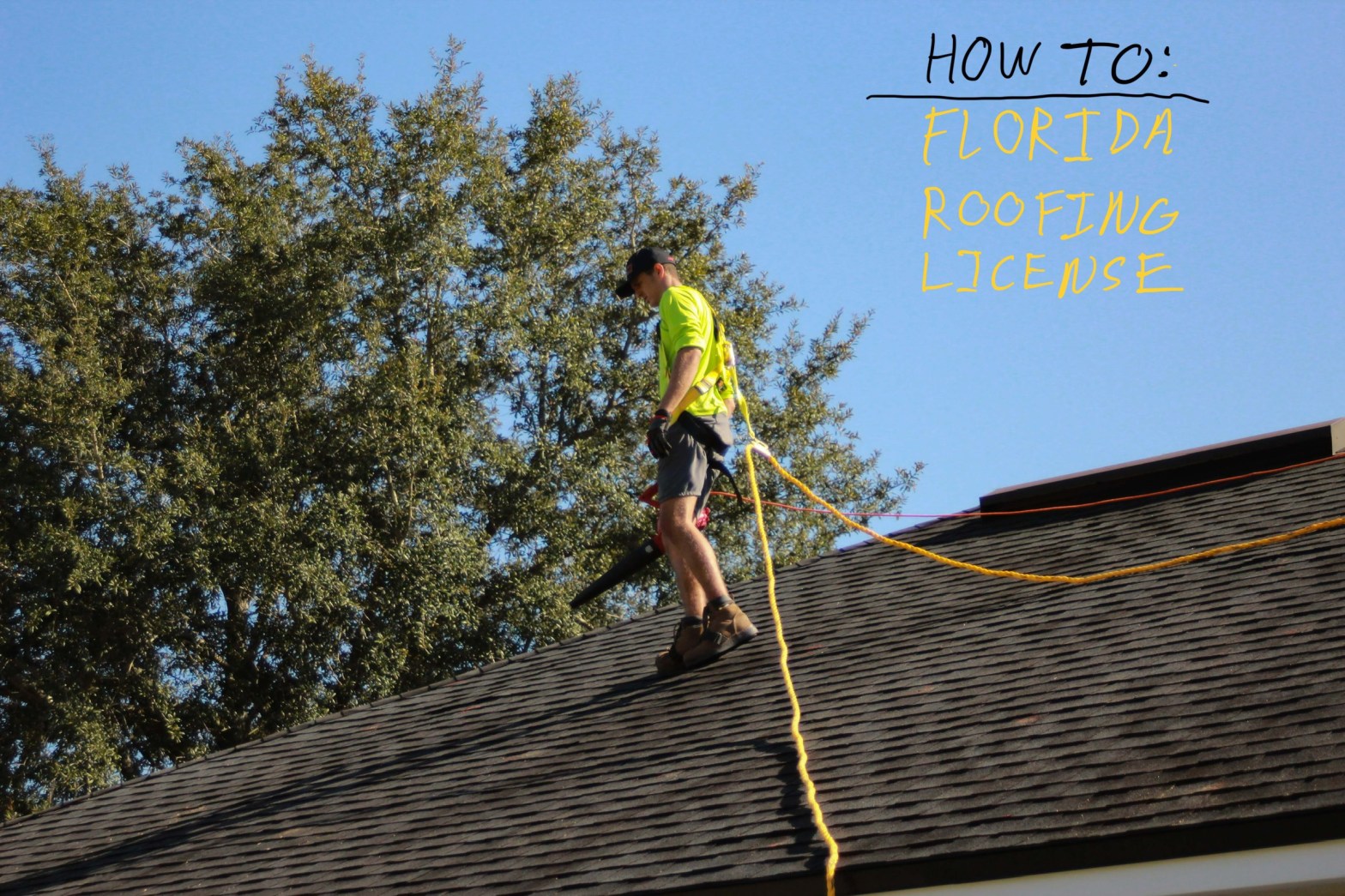
Unlocking New Heights: Obtaining Your Florida Roofing License

Are you looking to soar to new heights as a licensed roofer in the Sunshine State?

Obtaining your Florida roofing license can open doors to endless possibilities.

In this guide, we’ll navigate you through the necessary steps to achieve your dream of becoming a licensed roofing professional.

Step 1: Meeting the Prerequisites

Before you can embark on your journey to becoming a licensed roofer in Florida, you must ensure that you meet the prerequisites. To be eligible, you must be at least 18 years old and possess a valid social security number.

Applicants also need a combined amount of education or experience, which can be met with either:

  1. Four year construction-related degree + one year roofing experience;
  2. Three years of college credit + one year experience as a foreman;
  3. Two years of college credit + one year as roofing worker + one year as foreman
  4. One year of college credit + two years as a worker + one year as a foreman
  5. Four years of experience (with at least one year as a foreman)

* Military veterans can apply their years of service in the military.

Step 2: Fix Your Credit

Licensed roofers are required to have a credit score of 660 or higher, as determined by a nationally recognized reporting agency. If you do not meet the credit requirements, you can still qualify by completing a 14-hour financial responsibility course.

If you need to complete a course, you can find the list of eligible courses here: http://www.myfloridalicense.com/dbpr/pro/cilb/documents/cilb_approved_financial_responsibility_courses.pdf

Step 3: Gather the Required Documents

The next step involves ensuring that you have all the necessary paperwork and documentation in order. For example, if you have an adverse criminal or credit history, you may need to have documentation ready to show the criminal/credit matter has been satisfactorily resolved.

Similarly, you will need to make sure you have the correct application form to apply with the Florida Department of Business and Professional Regulation.

DBPR publishes a variety of forms on its website, depending on: (1) which kind of license you are applying for, and (2) whether you will be adding your license to a company: https://www.myfloridalicense.com/intentions2.asp?chBoard=true&SID=&boardid=06&professionid=0603

Step 4: Passing the Licensing Exam

Licensed roofers are also required to pass a written exam. This exam is designed to evaluate your understanding of roofing principles, safety practices, and state regulations. The exam is split into two sections: a business and finance section and a trade knowledge section. You must demonstrate your proficiency in both areas to achieve success.

You can learn more about testing here: http://www.myfloridalicense.com/dbpr/servop/testing/documents/exam_applic_pack.pdf

The roofing portion of the exam is 5 hours long with 80 question in an open book format. It covers topics such as the application of different types of roofing systems.

The business and finance exam is six and a half hours and has 120 questions covering various topics relevant to managing a roofing business.

Step 5: Insurance and Bonding

Before you embark on your roofing career, you must ensure that you are adequately insured. Florida’s Construction Industry Licensing Board (CILB) requires applicants to obtain both public liability and property damage insurance within 30 days of receiving their license.

Step 6: Application Submission

The final phase of your licensing journey is submitting your application. Ensure that you complete all of the requirements contained in the DBPR form, such as submitting fingerprints and credit report. Also, you should triple-check the application form for errors, as any error can delay your application for weeks or months.

Some applicants may be required to attend a board hearing before the CILB if there is adverse information in their application. For example, if you have been charged with a serious crime, you may need to appear for a board hearing so the board can evaluate your character and fitness.

Step 7: Embarking on Your Roofing Journey

Obtaining your roofing license in Florida opens a world of opportunities to take your career to new heights. By following these steps, you’ll be well on your way to conquering the Florida roofing industry with confidence and competence. Happy roofing!

Florida Confirms: 10-year statute of repose runs from date of certificate of occupancy, not sale of property

Florida’s 2nd DCA recently confirmed in Westpark Preserve v. Polte Homes, that Florida’s statute of repose runs 10 years from the date of the certificate of occupancy, not the date of the sale.

This means that property owners have 10 years to sue the builder from the date the certificate of occupancy is issued.

DISCLAIMER: The information provided on this website does not, and is not intended to, constitute legal advice; instead, all information, content, and materials available on this site are for general informational purposes only.

Contractors: Why Do You Keep Working When You’re Not Being Paid?

In the world of construction, ensuring timely payment is crucial for contractors. Unfortunately, delayed and withheld payments can severely impact operations, cash flow, and business stability. To protect yourself from these situations, you should negotiate for a provision that allows you to suspend work if you aren’t being paid. This post discusses the significance of negotiating for this right on the front end, before the paperwork is signed.

Florida contractors face many challenges, and one of the most pressing concerns revolves around payment delays. Negotiating a payment suspension provision empowers contractors to take necessary action when clients fail to meet their financial obligations. By including this clause in their contracts, contractors secure a valuable mechanism to stop work, which is a powerful tool to encourage payment.

Contractors who lack a payment suspension provision are left with limited options when faced with non-payment. They may find themselves in a precarious situation of having to continue providing services or materials while receiving no compensation. Consequently, their cash flow suffers, causing difficulties in meeting financial obligations such as paying their workers and suppliers promptly.

Let’s consider a scenario involving a reputable contractor, John, who worked on a substantial construction project without securing a payment suspension provision in his contract. John was excited about the opportunity and trusted the client’s promises of prompt payment. However, as the project progressed, the client repeatedly delayed payments, putting John’s business in jeopardy.

Without the contractual safeguard of payment suspension, John found himself caught between a rock and a hard place. He had to continue pouring resources, labor, and funds into the project while accruing mounting debts. Despite his pleas for timely payment, the client made empty promises, leaving John in an unenviable predicament.

As John’s cash flow dwindled, he struggled to meet his financial obligations. Paying his hardworking crew became increasingly difficult, and suppliers started to lose confidence in his ability to settle outstanding bills. The lack of a payment suspension provision not only affected John’s profitability but also tarnished his professional reputation.

To avoid this situation, Florida contractors must recognize the immense value of including a payment suspension provision in their contracts. This essential clause grants them a means of protection against non-payment and enables them to address payment issues promptly. By suspending work when clients fail to meet their obligations, contractors can safeguard their financial stability and maintain positive business relationships.

Negotiating such a provision empowers contractors to take control of their operations and avoid detrimental situations like the one John faced. It ensures that contractors are not forced to continue working without compensation, preserving their cash flow and ability to meet financial responsibilities.

In sum, having the ability to suspend work can be a vital lifeline for contractors. By prioritizing the inclusion of a payment suspension provision, Florida contractors can navigate the complex landscape of construction projects more effectively, ensuring their own success and longevity in the industry.

DISCLAIMER: The information provided on this website does not, and is not intended to, constitute legal advice; instead, all information, content, and materials available on this site are for general informational purposes only.